ChatGPT has ads now. OpenAI started testing them in the US in February 2026, and in May it began rolling out a self-serve Ads Manager open to businesses of any size. So the question has landed in a lot of inboxes: are ChatGPT ads for small business worth testing, or is this one more shiny thing to ignore?
My honest answer for most local service businesses: not yet, and not before your basics are done. But it's worth understanding now, because the bigger opportunity in ChatGPT isn't the ad slot. It's being the business the answer names on its own.
Here's what's actually known as of this writing, what isn't, and how I'd decide.
What ChatGPT ads are, as of this writing
OpenAI announced its plan in January in a post called Our approach to advertising. According to OpenAI's Ads in ChatGPT help page, ad testing started in the United States on February 9, 2026. In May, OpenAI began rolling out self-serve buying for "companies of all sizes, from SMBs and startups to global brands," with access opening gradually and the Ads Manager still labeled beta.
The basics of where and when ads show:
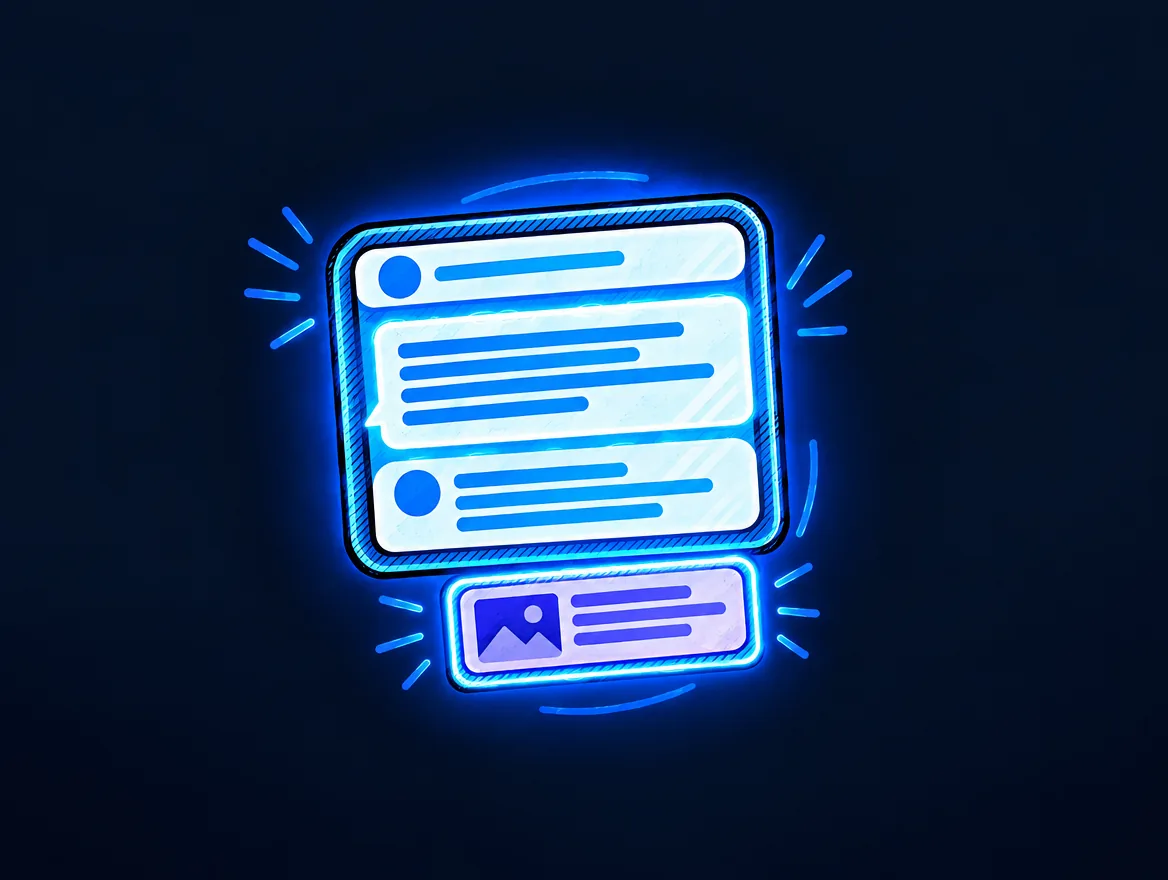
- Below the answer, not inside it. OpenAI says you may see one ad unit below a ChatGPT response, clearly labeled and kept separate from the answer.
- Only some users see them. Ads may appear for people on the Free and Go plans. Plus, Pro, Business, Enterprise and Edu accounts don't get ads, and neither do Temporary Chats.
- No ads for minors. OpenAI says it doesn't show ads to accounts it identifies as belonging to people under 18.
- Sensitive topics are off limits. Ads aren't eligible to appear near sensitive topics, including personal health, mental health or politics, and political advertising currently isn't allowed.
- Advertisers don't see chats. OpenAI says advertisers get aggregated numbers like views and clicks, not conversations, names or precise locations.
That last point matters for expectations. You won't get a transcript of what someone asked before they clicked. You'll get counts.
The number on this site is an AI agent. Ask it whether ChatGPT ads make sense for your business and it will book a 30-minute call with me.
How to advertise on ChatGPT: the setup
Everything runs through Ads Manager at ads.openai.com. OpenAI's quickstart guide lays out the setup: create an account, add billing, complete verification, then build campaigns. Per OpenAI's availability page, self-serve access is open to businesses based in the United States, among many other countries.
The structure will feel familiar if you've run Google Ads:
- Campaign: your objective, budget, dates and location targeting.
- Ad group: a theme, plus "context hints" that describe the kinds of conversations the ads fit.
- Ad: a title, description, image and landing page.
OpenAI's campaign guide lists three objectives: Views (you pay per 1,000 impressions), Clicks (you pay per valid click) and Conversions (optimized toward an action you track, still billed per click or per 1,000 impressions). As of this writing, the minimum daily budget for a US dollar account is $25, and OpenAI treats it as an average over the week, so a single day can spend up to twice that. For local businesses, the useful detail is that most campaigns can target states, cities, markets and postal codes where available, not just whole countries.
Reporting covers impressions, clicks, click-through rate, average cost per click and conversions if you set up OpenAI's pixel or Conversions API. One quirk to know: OpenAI says spend figures can lag 7 to 8 hours behind clicks.
What's known and what isn't
This is where I'd slow down. Here's how the facts stack up today.
| Known (from OpenAI) | Not known yet |
|---|---|
| Ads show below answers, labeled, for Free and Go users | How many of those users ask local questions in your area |
| $25 a day minimum in US dollars | What a lead actually costs for a local service business |
| City and postal code targeting where available | Whether "who should I call" conversations convert like a Google search |
| CPM, CPC and conversion objectives | How crowded your category will get, and how fast |
| No benchmarks yet | Anything you can compare to your Google Ads numbers |
That last row on the left is OpenAI's own words. Its ads FAQ says that as an early platform, ChatGPT Ads "does not yet have performance benchmarks across advertisers, industries, or campaign types." The same FAQ warns that delivery and spend can fluctuate during the beta.
I appreciate the honesty. It also means anyone selling you a ChatGPT ads package with promised results is guessing.
ChatGPT ads vs. being recommended by ChatGPT
Here's the part most owners mix up. Paying for an ad and getting recommended are two different things, and OpenAI keeps them apart on purpose.
OpenAI says ads run on separate systems from the chat model and advertisers can't "shape, rank, or alter" ChatGPT's responses. So if someone asks ChatGPT for a good roofer in Kirkwood, your ad might show below the answer. It won't put you in the answer.
Getting named in the answer is organic work, and it compounds. ChatGPT pulls from what it can find and trust about you: your website, your listings, your reviews, what other sites say. I covered the steps in how to get your business recommended by ChatGPT, and the bigger local picture in local search in the AI era.
Before you spend a dollar on the ad slot, find out whether the answer above it already mentions you. That's free to check.
Free tool
Does ChatGPT already recommend you? Run the free AI visibility check and see whether AI tools name your business for the searches that matter.
Who should test ChatGPT ads for small business, and who should wait
My read, which is opinion, not data, because there's no data yet.
- Consider a test if your customers research before they buy (remodels, event venues, specialty retail, B2B services), your Google Ads and Business Profile are already working, and conversion tracking is solid.
- Consider a test if you have budget you can afford to learn with, separate from what keeps the phone ringing.
- Wait if your customers are in a hurry. Someone with water on the floor calls the first number they see on Google. That's a different moment than a chat.
- Wait if you're in health care or financial services. OpenAI says advertisers there face strict eligibility criteria, and ads never show near personal health conversations.
- Wait if you can't track a lead from click to call or form. A test you can't measure is just spending. If that's you, start with how to track calls from marketing.
Some hypothetical math, with invented numbers: at the $25 daily minimum, a campaign that spends fully for 30 days costs about $750. If a sample remodeler's average job is $15,000, one booked job covers the test many times over. If a sample cleaning company's average visit is $180, it would need several new customers just to break even. Run your own numbers before you start, and compare them with what Google Ads costs a small business here.
If you test it, run it like an experiment
If you decide to try it, treat it like a lab test, not a new channel.
A 30-day ChatGPT ads test plan:
1. Set a test budget you can lose, separate from your Google Ads budget.
2. One campaign, one service, one city or set of ZIP codes.
3. Write context hints that describe real conversations ("comparing kitchen remodel costs", "choosing a contractor").
4. Send clicks to a matching landing page, not your homepage.
5. Install conversion tracking before launch, plus call tracking on that page.
6. Check weekly: clicks, cost per click, leads, and whether the leads were any good.
7. At day 30, compare cost per booked job with your other channels. Keep, pause or kill.
Before you launch anything, I'd also run the free AI visibility check on your business. If AI tools already mention you, the ad is extra. If they don't, the organic fix is probably the better first dollar.
Deciding what to test, what to skip and how to tell the difference is part of the job. I run Google Ads for local businesses and keep an eye on new channels like this one so you don't have to chase them yourself. If you want a second opinion on your setup, book a call. AI does the marketing now. I run the AI.
Quick answers
Can I pay to have ChatGPT recommend my business?
No. OpenAI says ads run on separate systems and advertisers can't shape, rank or change ChatGPT's answers. An ad shows below a response, labeled as an ad. Getting named inside the answer itself is an organic job: clear website content, consistent listings and real reviews that AI tools can find and trust.
How much does it cost to advertise on ChatGPT?
As of this writing, OpenAI lists a minimum daily campaign budget of $25 for US dollar accounts. You can buy on impressions, clicks or a conversion objective. That minimum works out to roughly $750 over a 30-day month if the campaign spends fully, before you know whether a single lead will come from it.
Should a small local business advertise on ChatGPT right now?
Most should wait. OpenAI itself says there are no performance benchmarks yet. If your Google Ads, Business Profile and conversion tracking are already solid and you have spare budget, a small, tracked 30-day test is reasonable. If those basics aren't done, fix them first. They'll pay back sooner.

Alex Lamy16+ years in marketing, from radio to agencies to running his own shop. Now he runs a team of AI agents that do the marketing for St. Louis small businesses. You talk to him, and he checks every piece.
Want this handled?
Starting at $499 a month. You work straight with me, and you can cancel any month. My AI agents do the production, I check every piece, and we meet every week. You own everything.